Rosacea is a chronic skin condition that can cause persistent redness, bumps, pustules, flushing, and irritation on the face. Different people experience different combinations of symptoms, and treatment often depends on the type and severity of the condition. For people with inflammatory lesions associated with rosacea, topical treatments can help reduce visible symptoms and improve the overall appearance of the skin.
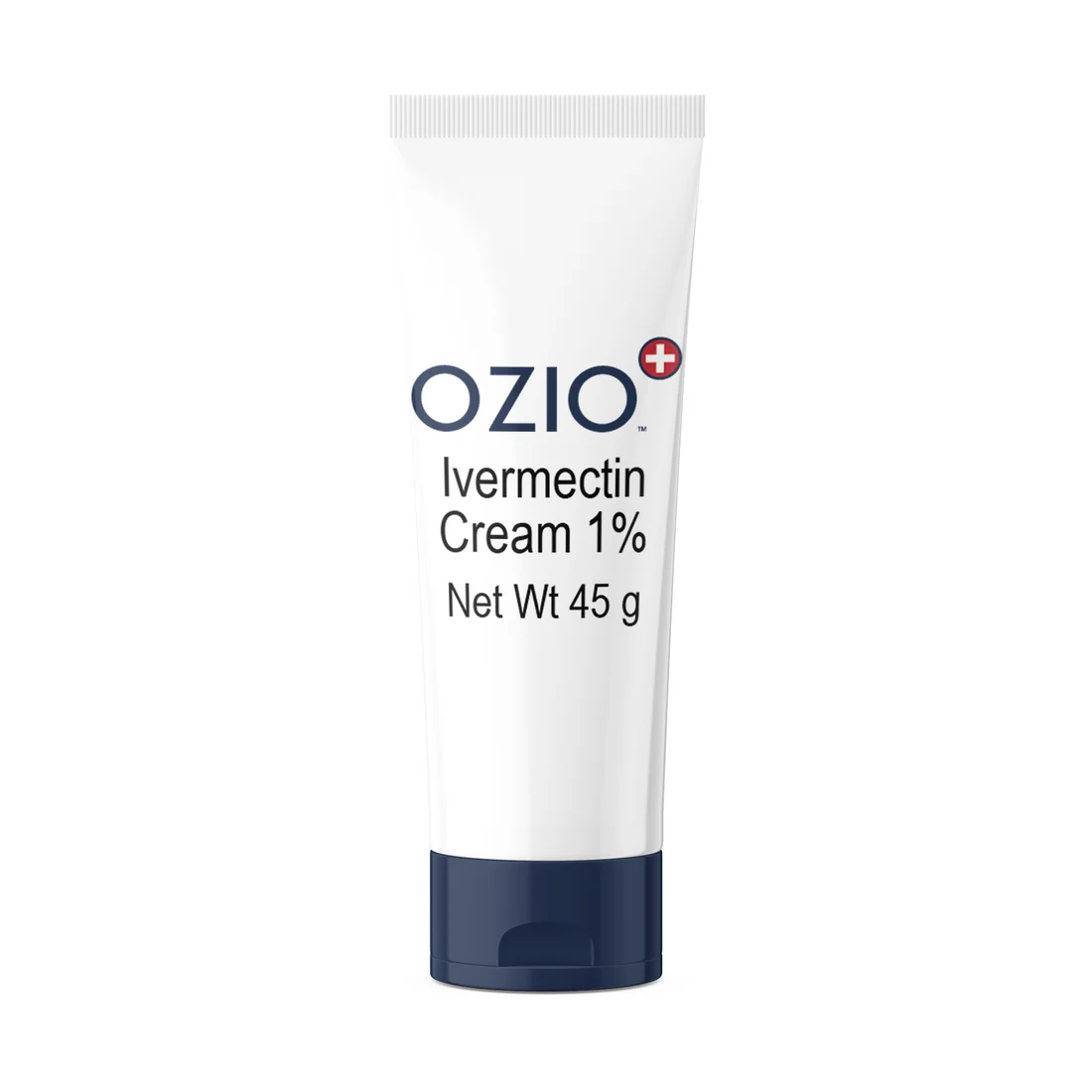
Soolantra ivermectin 1% cream is a prescription topical medicine specifically indicated for inflammatory lesions of rosacea. Its active ingredient, ivermectin, belongs to a group of medicines known as avermectins. Applied directly to affected facial areas, the cream is designed to work at the skin rather than being taken by mouth.
What Is Soolantra Ivermectin 1% Cream?
Soolantra is a topical cream containing 1% ivermectin. Each gram contains 10 mg of ivermectin. It is approved for treating inflammatory lesions associated with rosacea and is intended for use on the skin of the face.
The medication is applied once daily to affected areas. The prescribing information recommends using a pea-sized amount for each affected facial area, including the forehead, chin, nose, and cheeks. The cream should be spread in a thin, even layer while avoiding the eyes and lips.
Unlike oral ivermectin, Soolantra is formulated specifically as a topical treatment. It should not be swallowed or applied inside the eyes, mouth, or vagina.
How Ivermectin Cream Works on Rosacea
The exact mechanism by which topical ivermectin improves rosacea is not completely established. However, ivermectin has both anti-inflammatory and antiparasitic properties, and these effects may contribute to its activity against inflammatory rosacea lesions.
Rosacea has been associated with increased inflammatory activity in the skin. Microscopic Demodex mites are also commonly found in greater numbers on the skin of people with rosacea, although the relationship between these mites and rosacea is complex. Ivermectin has activity against Demodex mites, which is one proposed part of its effect.
The medication may also reduce inflammatory processes in the skin. Rather than simply covering redness or drying individual blemishes, treatment is aimed at the inflammatory lesions associated with rosacea.
What Symptoms Can It Help Manage?
Soolantra is specifically indicated for inflammatory lesions of rosacea. These lesions may appear as small red bumps or pus-filled spots and can occur alongside facial redness.
Clinical studies included in the prescribing information found that Soolantra was more effective than the vehicle cream in reducing inflammatory lesion counts and improving investigator-rated rosacea severity. In two pivotal studies, improvements were observed beginning at around four weeks, with treatment outcomes assessed at week 12.
In the clinical trials, about 38% to 40% of people using Soolantra were rated clear or almost clear at week 12, compared with approximately 12% to 19% of those using the vehicle cream. Inflammatory lesion counts also decreased more substantially among Soolantra users.
These results show why consistent use matters. Rosacea treatment is generally not an overnight process, and visible changes may take several weeks.
Applying Soolantra Correctly
Using the cream as directed can help maintain consistent treatment.
The current prescribing information recommends applying Soolantra once daily to the affected areas of the face. A pea-sized amount should be used for each affected facial region. The cream should be spread smoothly and evenly as a thin layer. Contact with the eyes and lips should be avoided.
It is also useful to apply the medicine as part of a regular skincare routine. Harsh scrubs, strong fragrances, and products that cause stinging may make sensitive rosacea-prone skin feel worse. A gentle cleanser and moisturizer can be useful additions, although individual skincare needs vary.
Patients should follow the instructions provided by their healthcare professional and the medication’s official labeling rather than increasing the amount or frequency of application on their own.
How Long Does Treatment Take?
Rosacea responds gradually to treatment, and individual results can vary. Clinical data for Soolantra showed that the medicine performed better than the vehicle cream from around four weeks of treatment. The main efficacy assessments in the pivotal studies were conducted at week 12.
A person may notice fewer inflammatory bumps or pustules before seeing a major overall change in facial appearance. Maintaining the prescribed routine gives the treatment time to work.
If symptoms are not improving, become more severe, or cause significant irritation, a healthcare professional can determine whether the treatment should be continued, changed, or combined with another approach.
Possible Side Effects
Most people in clinical trials did not experience frequent treatment-related adverse reactions. The prescribing information lists skin burning sensation and skin irritation among the most common adverse reactions, each occurring in no more than 1% of participants in controlled clinical trials. Postmarketing reports have also included contact dermatitis and allergic dermatitis.
Skin that is already sensitive may react differently from person to person. New or severe irritation should not be ignored. A healthcare professional can help determine whether the reaction is related to the medication or another skincare product.
Soolantra should also be kept out of reach of children and stored according to the product instructions.
Who Should Use Ivermectin Cream for Rosacea?
Soolantra is a prescription medication, so a healthcare professional should determine whether it is appropriate for a particular case of rosacea. Not every facial rash, acne-like breakout, or persistent redness is rosacea.
A proper diagnosis matters because several skin conditions can look similar. Treatment may also differ depending on whether the main symptoms involve inflammatory lesions, persistent redness, visible blood vessels, or another underlying condition.
People who are pregnant or breastfeeding should discuss Soolantra with their healthcare provider before use. The prescribing information states that available data in pregnant women are insufficient to establish whether use is associated with a risk of major birth defects, miscarriage, or adverse maternal or fetal outcomes.
Soolantra as Part of a Rosacea Care Routine
Medication is only one part of managing rosacea. Daily habits can also affect how frequently symptoms appear or how intense they become.
Common factors that may aggravate rosacea include excessive sun exposure, heat, certain foods, alcohol, stress, and irritating skincare products. Triggers differ between individuals, so keeping track of flare-ups can help identify personal patterns.
Using sunscreen, choosing gentle skincare products, avoiding known triggers, and following the prescribed medication routine may provide a more consistent approach to managing symptoms.
For someone whose main concern is inflammatory bumps and pustules, Soolantra ivermectin 1% cream may be an appropriate prescription option. Its specific indication, once-daily application, and clinical evidence make it a treatment worth discussing with a qualified healthcare professional.
Choosing the Right Approach for Rosacea
Rosacea can look different from one person to another, so treatment should reflect the symptoms being experienced. A person with mostly persistent redness may need a different treatment strategy from someone dealing primarily with inflammatory lesions.
Soolantra is specifically indicated for inflammatory lesions rather than every symptom associated with rosacea. Understanding this distinction can help set realistic expectations and support better treatment decisions.
Anyone considering ivermectin cream for rosacea should obtain professional medical advice and use the medication according to the prescribed directions. With regular treatment and suitable skincare habits, inflammatory rosacea symptoms can often be managed as part of a longer-term skin-care plan.
