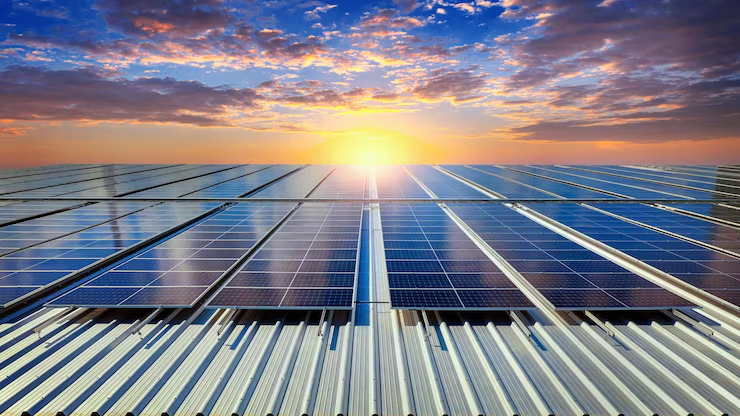
Whenever individuals consider saving on electricity bills by switching to cleaner energy sources, the first thing that comes to mind is whether renewable energy is a viable option. Today there are numerous choices, and it is difficult to know which solution is suitable for your needs. As energy needs evolve and concern about sustainability increases, solar power in Canada has become a significant issue for homeowners, businesses, and communities. Nevertheless, it is worth understanding how solar energy works, what affects its performance, and why it is gaining popularity before deciding on it.
Understanding Solar Energy
Solar energy is the process of generating electricity using sunlight. Solar systems enable users to produce electricity in a cleaner, more sustainable way than relying on conventional power sources. The basic idea is simple. Solar panels are exposed to sunlight, and the energy is converted into electricity, which can be utilized in various ways.
It is a common misconception that solar energy can only be used in regions that receive abundant sunlight year-round. Nevertheless, the efficiency of solar systems has been enhanced by modern technology, and they can be applied in other climates. The quantity of electricity generated is determined by factors such as the availability of sunlight, the system’s design, location, and maintenance.
See also: Emerging Trends in Engineering Digitization
How Solar Panels Generate Electricity
To get a better idea of how it works, one should understand what happens in a solar panel. As sunlight hits the panel, tiny units within it respond, generating an electric current. This is related to the photovoltaic effect, which is the conversion of light energy into electrical energy.
The solar panels produce electricity that is typically in a form that requires conversion before it can be used by standard electrical appliances. This conversion process helps ensure that the electricity generated is appropriate for use in homes and commercial areas. Due to these developments, solar systems have become more dependable and can be integrated into everyday energy needs.
Why More People Are Considering Solar Energy
One of the largest factors driving people to seek alternative sources of electricity is energy costs. Energy planning is challenging because traditional electricity prices can vary with several factors. Solar energy offers a way to generate electricity on its own and reduce reliance on external power sources.
Environmental awareness is another significant reason. Many people and organizations are seeking ways to minimize their environmental impact. Solar systems can help minimize reliance on certain conventional energy production methods by using sunlight as an energy source.
The debate on solar power in Canada is growing today as more individuals consider the potential of renewable energy to help achieve long-term energy objectives. From residential properties to larger projects, solar technology is becoming a part of broader energy planning.
Factors to Consider Before Installing a Solar System
The selection of a solar system should be well understood and planned. It is not merely a matter of putting panels on a roof or an open area. There are several factors to consider to ensure the system is efficient.
Some of the key factors are:
- The quantity of sunlight in the region.
- The area of the property and space to install.
- Present trends in electricity consumption.
- Quality and efficiency of solar equipment
- Periodic inspection and maintenance needs.
Each site has varying energy needs. Thus, what works well in one property might not yield the same results in another. Effective assessment helps choose a method that meets specific requirements.
The Role of Energy Storage in Solar Systems
A common question about solar energy is what happens when the sun is not shining. This is where energy storage comes in handy. Solar batteries can store excess electricity generated on sunny days and release it when energy production is low.
Energy storage technology has advanced over the past few years. It enables users to better control electricity use and provides greater flexibility. With the increase in the use of renewable energy, storage solutions will remain significant in ensuring that solar systems are more reliable.
The Future of Solar Energy
The energy future is shifting towards more efficient and cleaner solutions. Solar energy is becoming more accessible due to technological advances, increased awareness, and growing demand for sustainable options.
Solar power in Canada is not merely an alternative source of electricity to many people. It reflects a shift towards smarter energy choices and a more sustainable approach to powering homes, businesses, and communities.
Knowing the fundamentals of solar energy will help you consider whether it is the correct choice in a specific case. Although all energy decisions must be carefully planned, the first step to making an informed decision is to learn how solar systems operate.
